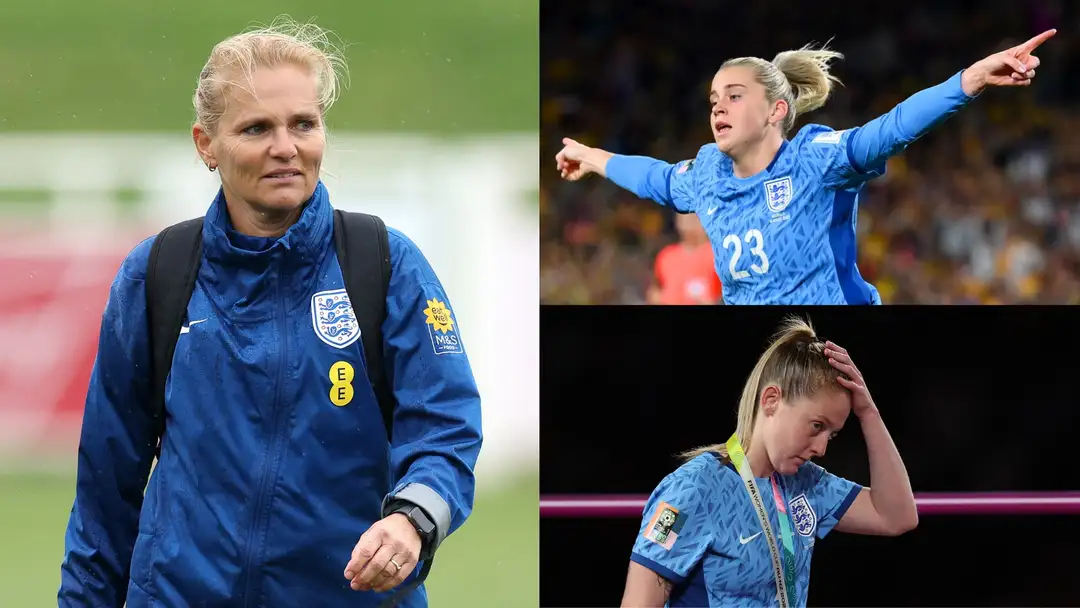
England women’s national football team are preparing to begin another hugely important chapter as the Lionesses kick off their UEFA Nations League campaign, with the competition also serving as a major step on the road toward a possible Olympic gold medal challenge. After recent success on the international stage, expectations surrounding the squad remain incredibly high, but manager Sarina Wiegman now faces several crucial decisions that could shape England’s future.
One of the biggest issues is determining the balance between experience and emerging talent. Established stars such as Leah Williamson, Beth Mead and Lucy Bronze remain key figures, but younger players are increasingly pushing for larger roles within the squad. Wiegman must decide how quickly to refresh parts of the team without disrupting the chemistry that has driven England’s recent success.
Another major focus is fitness management. Several important players have battled injuries in recent seasons, particularly Williamson and Mead after serious ACL setbacks. Ensuring the squad stays healthy through a demanding schedule could be one of the most decisive factors in England’s hopes of competing for Olympic qualification and future trophies.
Goalkeeper selection is also attracting attention. England possess strong options between the posts, and Wiegman may face difficult choices regarding who becomes the long-term number one heading into major tournaments. Stability in defence will be essential against Europe’s elite nations.
The manager must also resolve questions surrounding England’s attacking structure. Alessia Russo has increasingly become a central figure in attack, but Wiegman still needs to identify the most effective combinations around her. The return of fully fit attacking stars gives England exciting options, though selecting the perfect balance of creativity, pace and finishing will not be simple.
Midfield control represents another key challenge. England’s ability to dominate possession and dictate matches has been a major strength under Wiegman, but opponents are now adapting to their style. Finding the right midfield partnerships for different tactical situations could determine how far the Lionesses go in major competitions.
Finally, there is the enormous pressure of expectation itself. Since winning the European Championship, England have become one of the biggest teams in women’s football. Every opponent now approaches matches against the Lionesses with extra intensity, making consistency and mentality more important than ever.
Despite those challenges, excitement around the squad remains extremely high. The Nations League campaign offers England an opportunity not only to compete for another trophy but also to build momentum toward future international success, including the dream of Olympic gold.
With world-class talent, experienced leadership and a proven manager in Wiegman, the Lionesses remain one of the strongest teams in the world. However, the decisions made over the coming months could define whether this talented generation adds even more silverware to its growing legacy.