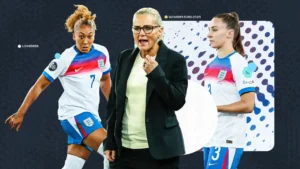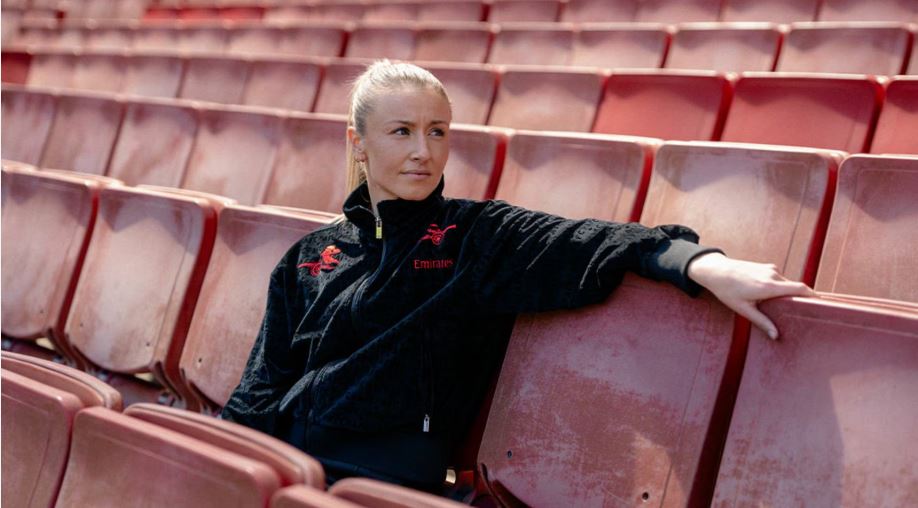
Although there had been tension in the dressing room for weeks, nobody anticipated Leah Williamson would ultimately blow up in such a spectacular way. The England captain reportedly reached his breaking point and responded angrily, sending shockwaves through the football globe, when yet another round of criticism directed at the team appeared on television panels and social media.
Williamson allegedly declared, “I have no respect for her anymore,” during a contentious conversation following the game. “She has nothing to show for making the loudest noise.” In an attempt to discredit this squad, she spoke nonsensically on national television. No, not while I’m here.
Fans, commentators, and former players debated the statement right after, with many attempting to pinpoint the precise identity of the England and Arsenal defender. Online fans soon started speculating about a well-known television personality who had recently criticized England’s leadership, mentality, and tactical orientation after a poor performance, even though no official name was given.
Williamson, who has been recognized throughout her career for her brilliance, poise, and composed leadership, seldom gets involved in public debate. That’s the exact reason her remarks have been so influential. The emotional reaction demonstrated to many fans how profoundly the criticism had impacted the team behind closed doors.
According to people close to the camp, a number of players had become irritated by what they perceived as “constant negativity” from some media outlets. Insiders claim that some players thought the criticism went beyond football analysis to include personal insults intended to undermine team confidence.
Many supporters quickly came together in support of Williamson despite the controversy surrounding the remarks. The defender was praised on social media for defending her colleagues and preventing outsiders from “disrespecting the badge.” Others, on the other hand, contended that public altercations merely heighten pressure and divert attention from on-field performances.
Williamson’s impact within the game is undeniable. She has emerged as one of the key figures in contemporary women’s football as captain of both her club and her nation. Her leadership during England’s historic UEFA Women’s Euro victory raised her popularity well beyond sport and made her a symbol of accountability and tenacity.
But now the focus is on conflict and emotion instead of trophies and strategies.
One thing is certain: Williamson’s remarks have heightened an already intense discussion about criticism, loyalty, and respect in elite football, regardless of whether they were done out of passion, anger, or defense of the dressing room. Furthermore, her message struck with unquestionable force if it was meant to serve as a warning to anyone trying to split the group.