Breaking News: Josh Heupel and Tennessee Vols Face Recruiting Challenge in Retaining 2027 QB Commit Derrick Baker
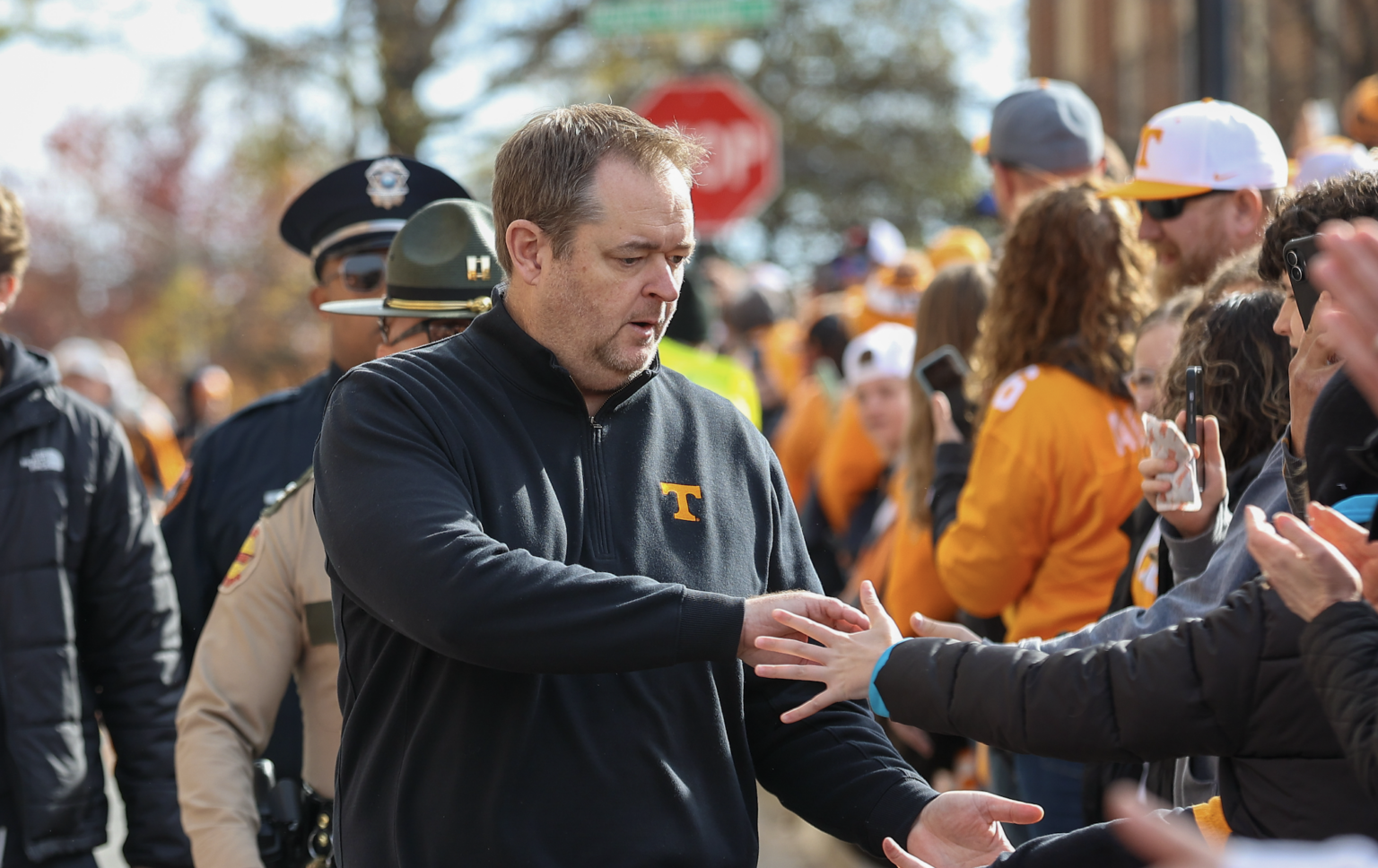
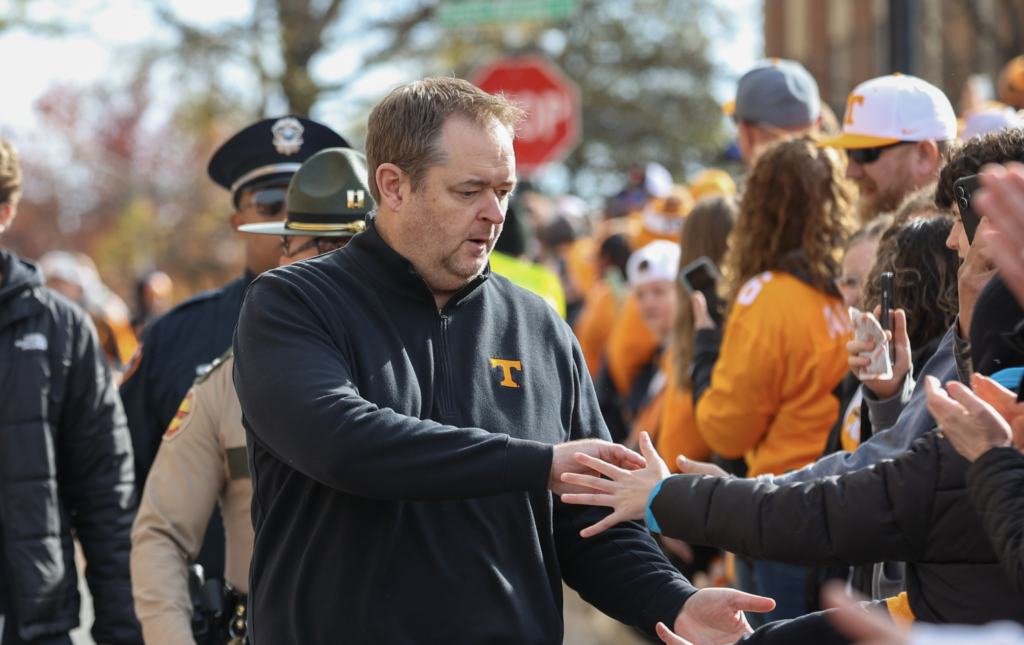
The Josh Heupel and the Tennessee Volunteers are reportedly facing an early recruiting complication that could threaten their hold on highly rated 2027 quarterback commit Derrick Baker, amid what sources describe as a “frustrating but increasingly common” situation in modern college football recruiting.
Baker, a rising quarterback prospect in the 2027 class, had previously committed to Tennessee in what was seen as a significant early win for the Volunteers’ future offensive plans. His arm strength, mobility, and composure under pressure quickly made him one of the more talked-about young signal-callers in his class, with multiple programs across the country continuing to monitor his development closely.
However, despite his commitment, recent developments suggest that Tennessee may face difficulty in keeping him locked in as recruiting pressure intensifies. The issue is not necessarily related to performance or coaching dissatisfaction, but rather the growing and unpredictable nature of modern recruiting dynamics—particularly early recruitment volatility, NIL considerations, and persistent competition from other major programs.
In today’s college football landscape, verbal commitments—especially those made years ahead of signing day—are rarely guaranteed. Programs often continue to recruit committed players, while prospects themselves remain open to visits and conversations despite earlier decisions. This environment has reportedly placed Baker in contact with multiple schools that are eager to flip his commitment before the 2027 cycle progresses further.
For Tennessee, the concern is less about immediate replacement talent and more about long-term planning within their offensive system. Heupel’s scheme is heavily quarterback-driven, relying on tempo, accuracy, and decision-making. Losing a quarterback like Baker at this stage would not only disrupt future depth charts but also force the staff to re-evaluate their recruiting board for the cycle.
Insiders also point to the broader challenge facing programs nationwide: maintaining stability in recruiting classes that are increasingly fluid. With unofficial visits, social media influence, and Name, Image, and Likeness (NIL) opportunities shaping player decisions earlier than ever, even strong verbal commitments are now subject to change well before National Signing Day.
Despite the uncertainty, Tennessee remains actively engaged with Baker and his camp, continuing communication and emphasizing his fit within their offensive identity. Coaches are expected to make retaining him a top priority, with efforts likely to include additional campus visits, relationship-building with staff, and reinforcing his projected role in the program’s future.
Still, the situation underscores a growing reality in college football recruiting—no commitment is ever truly secure until signatures are officially submitted. For Heupel and the Volunteers, the next few recruiting cycles will be crucial in determining whether they can maintain momentum with elite quarterback talent like Baker or risk losing him to late recruitment pressure.
As the 2027 cycle continues to develop, all eyes will remain on Derrick Baker’s recruitment and whether Tennessee can successfully weather what is being described internally as a “frustrating but manageable” challenge.