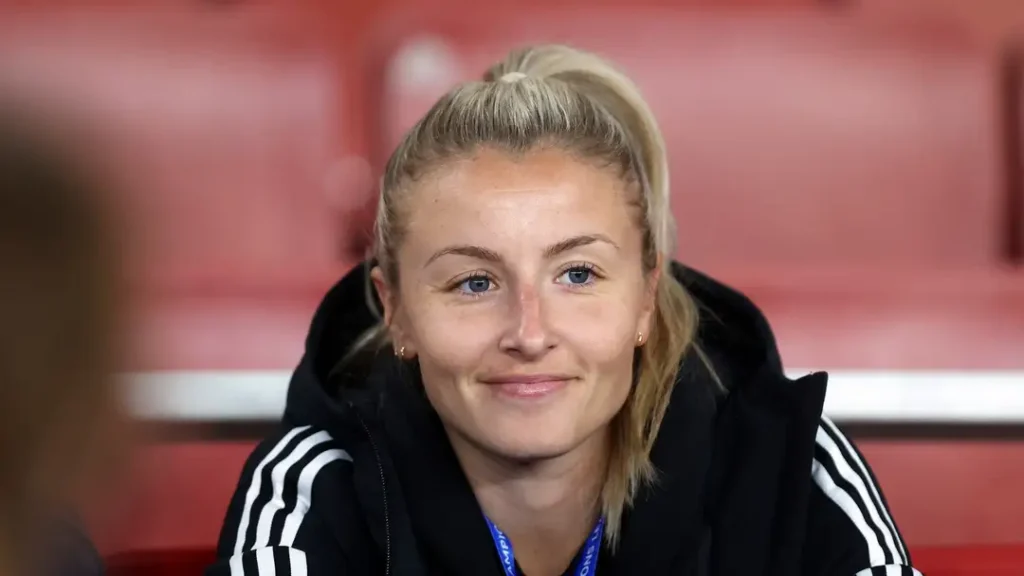
Breaking News: “I Needed It” — Arsenal and Lionesses Star Leah Williamson Admits She Required Break from Football After Struggling Mentally
Leah Williamson has opened up in deeply honest fashion about one of the most difficult periods of her career, admitting she needed time away from football because she “wasn’t in the best place.”
The Arsenal Women F.C. and England women’s national football team captain revealed that stepping back from the pressures of the game became necessary for her mental and emotional wellbeing after enduring a challenging stretch marked by injuries, expectations, and personal struggles.
.png?auto=webp&format=pjpg&width=3840&quality=60)
Williamson’s candid comments have sparked widespread support across the football world, with fans, teammates, pundits, and fellow athletes praising her courage in speaking openly about the realities elite players face behind the scenes.
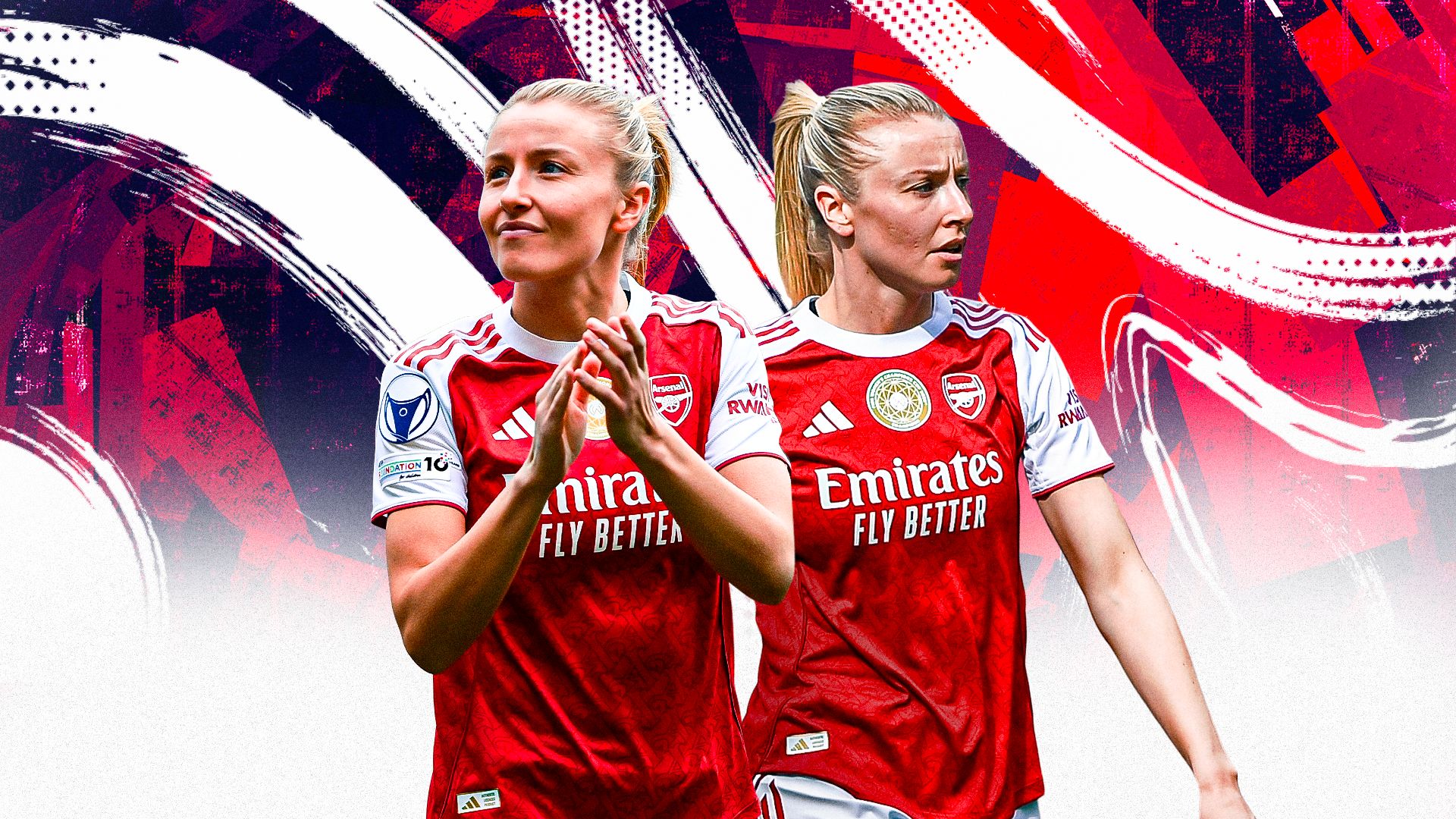
For many supporters, Williamson has long appeared to embody composure, confidence, and leadership. Whether captaining England to UEFA Women’s Euro 2022 glory or leading Arsenal through high-pressure matches, she has consistently projected calm authority on the pitch. Yet her latest remarks offered a powerful reminder that even the sport’s strongest personalities can experience moments of emotional exhaustion.
Speaking honestly about her struggles, Williamson admitted there came a point where she realized she needed distance from football in order to recover mentally.
“I needed it,” she reportedly explained, acknowledging that she “wasn’t in the best place” during a particularly demanding period in her career.
Those words resonated deeply throughout the football community.
In recent years, conversations surrounding mental health in professional sport have become increasingly important. More athletes across different sports have started speaking publicly about the emotional challenges that come with elite competition, constant scrutiny, injury setbacks, and relentless expectations.
Williamson’s decision to share her own experience adds another significant voice to that growing discussion.
The timing of her struggles is understandable considering everything she has endured over the past few seasons.
One of the biggest emotional blows came when Williamson suffered a devastating ACL injury that ruled her out of the FIFA Women’s World Cup. Missing the tournament was heartbreaking not only because she was England captain, but also because the Lionesses entered the competition as one of the favorites following their historic Euro 2022 triumph.
Watching from the sidelines as England reached the World Cup final without her was undoubtedly painful.
For any athlete, injuries can be mentally exhausting as well as physically demanding. Recovery often involves isolation from teammates, uncertainty about future performance levels, and the frustration of being unable to compete. For Williamson, who thrives on leadership and involvement, being separated from the game likely carried an especially heavy emotional burden.
At the same time, the expectations surrounding her career have grown enormously.
Since leading England to European Championship glory, Williamson has become one of the most recognizable faces in women’s football. Her influence extends beyond the pitch, with many supporters viewing her as a role model, spokesperson, and symbol of the rapid growth of the women’s game in England.
While such recognition reflects her importance, it also brings pressure.
Elite athletes are often expected to perform constantly while also handling media attention, commercial responsibilities, public expectations, and personal challenges simultaneously. Williamson’s comments suggest that balancing those demands eventually became overwhelming.

Her honesty has been widely applauded because it challenges outdated perceptions surrounding strength and vulnerability in sport.
For years, athletes were often encouraged to suppress emotional struggles and simply “push through” difficult moments. Increasingly, however, players are recognizing that mental wellbeing is just as important as physical fitness.
Williamson’s willingness to admit she needed a break sends a powerful message — that taking care of yourself is not weakness but responsibility.
The reaction from supporters has been overwhelmingly positive.
Fans across social media praised Williamson for speaking openly about her experience, with many noting how important it is for high-profile athletes to normalize conversations around mental health. Others expressed admiration for her self-awareness, recognizing how difficult it can be for elite competitors to step back from the sport they love.
Teammates and former players have also shown support.
Within women’s football especially, there has been a growing emphasis on creating healthier environments where athletes feel comfortable discussing emotional struggles without fear of judgment. Williamson’s comments may encourage others experiencing similar difficulties to seek support when needed.
Importantly, her decision to take time away appears to have helped her reconnect with herself both personally and professionally.
Recent performances for Arsenal and England have suggested Williamson is gradually rediscovering rhythm, confidence, and enjoyment on the pitch. Though recovery — mentally and physically — is rarely straightforward, her openness indicates she now has a clearer understanding of what she needs to remain healthy and balanced.
For Arsenal, Williamson’s wellbeing remains hugely important.
She is not only one of the team’s best defenders but also one of the club’s emotional leaders. Having spent her entire senior career with Arsenal, Williamson represents the identity and culture of the club in a unique way. Supporters view her as the embodiment of loyalty, professionalism, and passion for the badge.
Managerial staff will undoubtedly want to ensure she is supported carefully moving forward.
The same applies to England manager Sarina Wiegman and the Lionesses setup. Williamson remains central to England’s future ambitions, not only because of her footballing ability but also because of the leadership qualities she brings to the squad.
Her experience may ultimately make her an even stronger captain.
Athletes who navigate difficult periods often develop greater emotional understanding and resilience. Williamson’s openness about her struggles could deepen the respect teammates already have for her and strengthen the trust within the England camp.
The broader significance of her comments extends beyond football itself.
Mental health conversations in sport have become increasingly prominent in recent years, with athletes across disciplines speaking about anxiety, burnout, depression, and emotional fatigue. Williamson joining that conversation helps continue breaking down stigma, particularly for younger supporters who may idolize athletes and assume success eliminates personal struggles.
In reality, pressure often increases alongside success.
Williamson’s journey reflects that reality perfectly. From lifting trophies and captaining England at Wembley to battling injury setbacks and emotional exhaustion, her career has contained extraordinary highs alongside painful challenges.
Yet perhaps what makes her so admired is precisely this willingness to remain authentic through both.
Rather than pretending everything was fine, she chose honesty.
That honesty matters because it humanizes elite athletes who are often viewed only through the lens of performance. Behind the trophies, interviews, and match highlights are individuals dealing with the same emotional complexities as everyone else.
Williamson’s story also highlights the importance of rest and perspective.
Modern football schedules are relentless, with players constantly moving between club and international commitments. Physical fatigue frequently dominates conversations, but emotional burnout can be equally damaging if ignored.
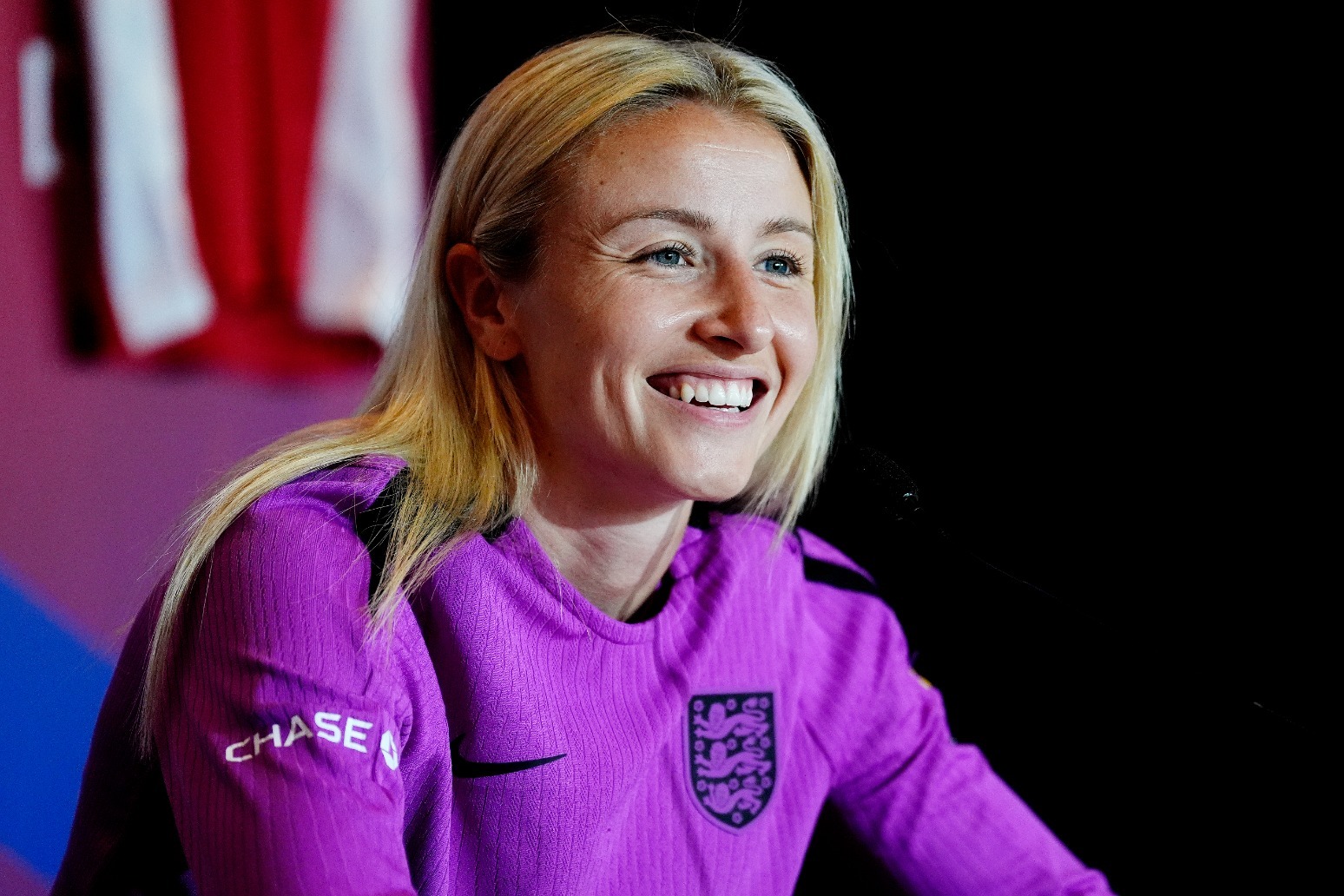
Recognizing when a break is needed requires self-awareness and courage — especially for someone driven by competitiveness and responsibility.
As Williamson continues rebuilding both physically and mentally, supporters will undoubtedly continue rallying behind her. Her influence on women’s football remains enormous, and her willingness to discuss difficult experiences may ultimately inspire others far beyond the sport itself.
For now, though, her message is simple and powerful.
Even captains sometimes need to step away, breathe, recover, and heal.
And for Leah Williamson, making that decision may have been one of the strongest moments of her career.