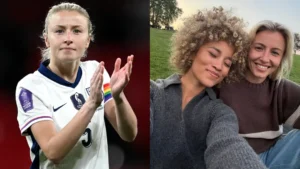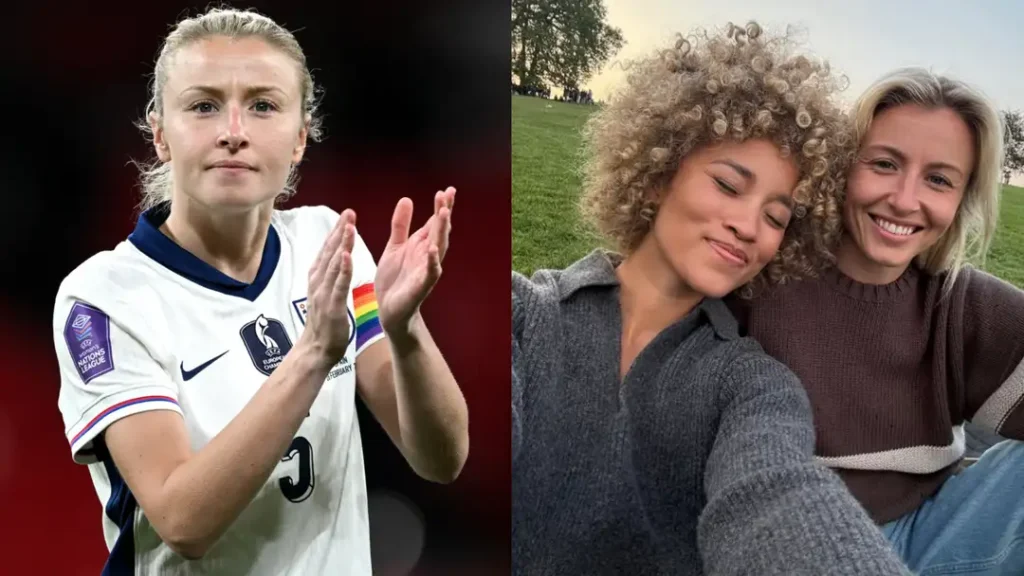
Leah Williamson: Leadership, resilience, and the long road back to the top
Leah Williamson has established herself as one of the most influential figures in modern women’s football, combining elite defensive ability with outstanding leadership qualities and a level of composure that has made her a cornerstone for both club and country. As captain of Arsenal Women and the England Women’s National Football Team, Williamson’s journey has been defined by growth, responsibility, and resilience through both triumph and adversity.
From her early days in Arsenal’s academy, Williamson stood out not only for her technical ability but also for her intelligence on the pitch. Comfortable as a centre-back or in midfield, she developed into a versatile player capable of dictating play from deep positions while also organizing those around her. Her understanding of the game and calmness under pressure quickly earned her trust from managers and teammates alike.
Her rise to leadership came naturally. Williamson was not simply a vocal leader but one who led by example—through positioning, decision-making, and consistency. When she was eventually handed the captain’s armband for England, it marked a turning point in her career and the national team’s direction. Under her leadership, England achieved one of their greatest footballing moments by winning UEFA Women’s Euro 2022 under manager Sarina Wiegman. That victory cemented her status as one of the defining captains of her generation.
However, Williamson’s journey has not been without setbacks. One of the most challenging periods of her career came when she suffered an anterior cruciate ligament (ACL) injury, a devastating blow that ruled her out of major international tournaments and sidelined her for an extended period. The injury not only impacted Arsenal’s defensive stability but also left England without their leader during a crucial stage of development and competition.
Recovery from an ACL injury is known to be one of the most difficult challenges in professional sport. It requires months of physical rehabilitation, mental resilience, and patience. For Williamson, the process became a test of character as much as fitness. While she was away from the pitch, she remained closely involved with her teammates, offering support, guidance, and leadership from the sidelines.
Her commitment during recovery highlighted another side of her influence: her ability to lead even when not playing. Coaches and players have often spoken about her professionalism during rehabilitation, noting her focus and determination to return stronger rather than rush the process. This mindset reflects why she is so highly respected within the football community.
As she continues her recovery journey, gradual progress has offered encouragement to both Arsenal and England supporters. Every step forward—whether returning to the training ground, increasing physical workload, or engaging in football-specific drills—represents significant progress after such a serious injury. Her return to full fitness is being carefully managed, ensuring that she can resume playing at the highest level without risking further setbacks.
Beyond her physical abilities, Williamson’s importance lies in her presence. She brings stability to defensive lines, confidence to teammates, and clarity during high-pressure moments. Arsenal’s structure often revolves around her ability to read the game and initiate attacks from the back, while England rely heavily on her leadership in organizing and guiding the team through major tournaments.
Off the pitch, Williamson has also grown into a respected voice in football. She has used her platform to speak about equality, development in women’s sport, and the importance of investment in grassroots football. Her influence extends beyond matchdays, making her one of the most important ambassadors for the women’s game globally.
At just the midpoint of her career, Williamson’s story is still being written. She has already achieved historic success, faced major setbacks, and demonstrated remarkable resilience throughout. As she continues her recovery and prepares for her eventual return to full competition, one thing remains clear: her impact on Arsenal, England, and women’s football as a whole is far from finished.
Leah Williamson’s journey is not just about recovery or leadership—it is about persistence, identity, and the ability to rise again. And for fans of both club and country, her return will feel like the restoration of one of football’s most important voices on the pitch.