Leah Williamson: Leadership, legacy, and life as one of football’s most influential figures
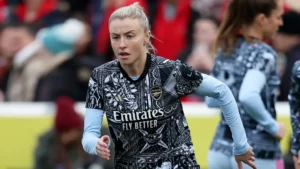
Leah Williamson has grown into one of the defining figures of modern women’s football, combining elite performances on the pitch with a strong leadership presence and an increasingly influential public image off it. As captain of both Arsenal Women and the England Women’s National Football Team, Williamson represents a generation of players who have helped transform the visibility, professionalism, and global appeal of the women’s game.
Williamson’s football journey began in Arsenal’s academy, where her intelligence, composure, and technical ability quickly set her apart. Unlike many defenders who rely purely on physical strength, she built her game on reading situations early, anticipating danger, and controlling possession under pressure. This made her a natural fit for modern football, where defenders are expected to contribute not just defensively but also in building attacks from the back.
Her versatility also played a key role in her rise. Early in her career, Williamson spent time in midfield, which helped sharpen her understanding of passing angles, spatial awareness, and game tempo. This background later enhanced her effectiveness as a centre-back, allowing her to step into midfield areas, break lines with passes, and dictate the rhythm of matches.
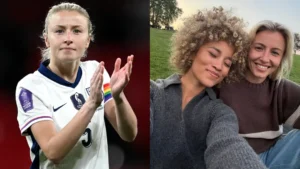
Leadership, however, is where Williamson has become truly exceptional. Her appointment as England captain under manager Sarina Wiegman marked a turning point for the national team. Under her leadership, England achieved one of their greatest successes by winning UEFA Women’s Euro 2022, a historic moment that elevated both Williamson’s status and the profile of women’s football in England.
What makes Williamson’s leadership stand out is not just her voice on the pitch, but her calm authority. Teammates frequently describe her as composed, thoughtful, and highly intelligent in how she manages both games and group dynamics. She leads through communication, positioning, and example rather than volume, which has made her especially effective in high-pressure environments.
Her influence extends beyond tactics and performance. Williamson has become a symbol of professionalism and progress in the women’s game. As the sport continues to grow commercially and culturally, she has emerged as one of its most recognisable ambassadors. Whether speaking about equality, development pathways, or the importance of investment in women’s football, she consistently uses her platform to highlight broader issues affecting the sport.
Public image has become an important part of Williamson’s career, particularly in an era where athletes are more visible than ever through social media and global coverage. Despite the attention, she has maintained a reputation for being grounded and focused, balancing fame with professionalism. Her interactions with fans, interviews, and public appearances often reflect a calm and thoughtful personality rather than the typical celebrity spotlight.
At club level, Williamson remains a central figure for Arsenal. Her presence stabilises the defence, while her ability to initiate play from deep positions gives the team an added dimension in possession. Arsenal’s structure often relies on her leadership to maintain organisation, especially in tightly contested matches where small details decide outcomes.
However, her career has also been shaped by adversity. A significant anterior cruciate ligament (ACL) injury sidelined her for an extended period, forcing her to miss key tournaments and spend months in rehabilitation. This period tested her resilience, both physically and mentally, as she worked through one of the most challenging injuries in professional sport.
Even during her recovery, Williamson remained closely connected to her teams, offering leadership from the sidelines and maintaining her role as a supportive figure within the squad. Her rehabilitation journey has become an example of patience, discipline, and long-term thinking in elite sport.
As she continues her recovery and eventual return to full competition, expectations remain high. Yet Williamson’s impact is no longer defined solely by match performances. She represents a broader shift in women’s football—where players are not only athletes but also leaders, role models, and influential voices in global conversations about sport and equality.
Leah Williamson’s story continues to evolve, but her legacy is already clear. She is not just a defender or a captain—she is one of the key figures shaping the identity of modern women’s football, both on and off the pitch.